Since 2010

Sparsha Skin Care ClinicHealing touch for the healthy glowing skin

“At Sparsha, we believe healthy skin is the foundation of true confidence. From advanced dermatology treatments to rejuvenating aesthetics, our expert care ensures safe, effective, and lasting results tailored for you.”

Safe & Effective Care

Safe & Effective Care

Every treatment at Sparsha is guided by medical expertise and ethical dermatology practices, ensuring safe and lasting results.

Personalized Treatment Plans

Personalized Treatment Plans

We understand every skin is unique. That’s why our therapies are tailored to your individual needs and lifestyle.

Advanced Facilities & Technology

Advanced Facilities & Technology

From modern lasers to state-of-the-art equipment, Sparsha blends innovation with comfort for the best outcomes.

Experienced Dermatologist

Experienced Dermatologist

Led by Dr. Shashikumar B M, our clinic brings together years of medical expertise and compassionate patient care.
About Us

Sparsha Skin Care Clinic – Sparsha skin care Healing touch for the healthy glowing skin

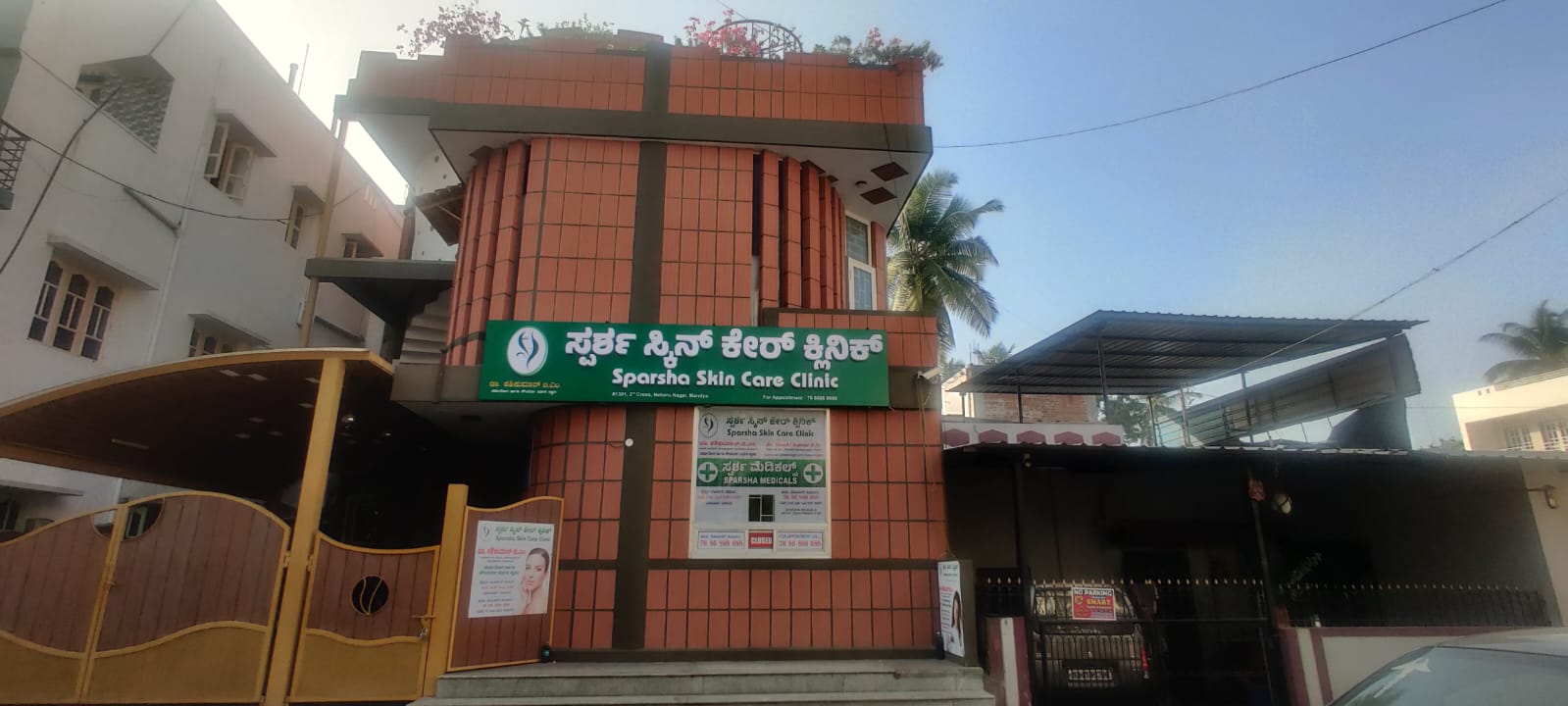
Founded in 2010, Sparsha Skin Care Clinic has been at the forefront of advanced dermatology and aesthetic care in Mandya. What began as a small clinic has grown into a modern facility equipped with state-of-the-art technology and guided by the expertise of Dr. Shashikumar B M, Associate Professor of Dermatology at Mandya Institute of Medical Sciences.

Our mission is simple: to deliver treatments that are safe, ethical, and effective—while ensuring every patient feels heard, cared for, and confident in their skin

0 +

Years of Excellence

0 +

Happy Patients

0 +

Specialized Treatments

0 +

Successful Procedures

FAQ's

Discover Everything You Need to Know

Satisfied Clients

Testimonials from Our Beloved Clients

Rated 5 out of 5

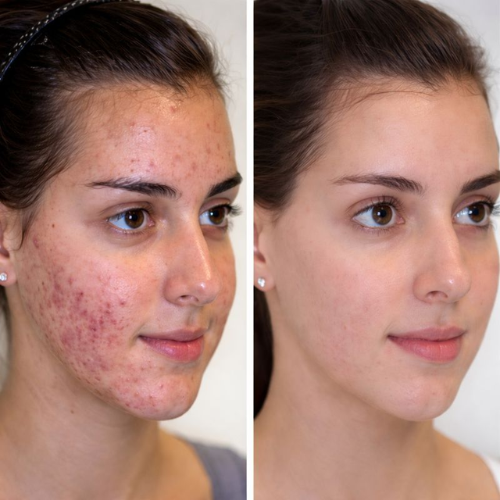
“I visited Sparsha Skin Care Clinic for persistent acne and pigmentation. From the first consultation, the doctor explained everything clearly and customized a treatment plan just for my skin type. The laser sessions were painless and after a few weeks my pigmentation has visibly reduced. Staff were polite and hygienic. Highly recommended!”

Priya S

Rated 5 out of 5

“I got laser hair removal done here. The clinic ambience is very professional and they follow good sanitization practices. The results after 6 sessions are noticeable and worth the cost. Only reason I give 4 stars is the wait time — appointment sometimes runs late, but overall a very good experience.”

Rahul K

Sparsha Skin Care Clinic

Experience the Sparsha Difference in Skin & Hair Care

At Sparsha, every treatment blends medical expertise with modern technology to deliver safe, effective, and lasting results. From acne and pigmentation to hair restoration and skin rejuvenation, we craft solutions that restore confidence and enhance natural beauty.

Scroll to Top

Laser hair reduction

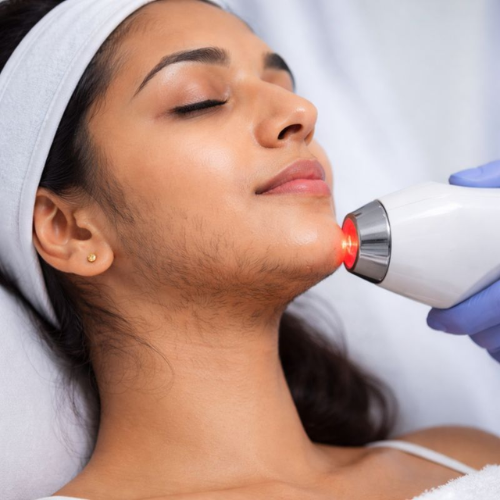
Laser hair reduction is a convenient, noninvasive method for permanently reducing or removing unwanted facial or body hair. It leaves the skin looking smoother and silkier when compared to waxing, electrolysis or razors and is a rather gentle technique that can treat larger areas effectively with minimal discomfort. The laser hair removal treatment is one of the most common aesthetic procedures practiced today.

How do Lasers work?

Lasers are basically focused lights that go deep and damage the hair follicle selectively without causing any harm to the surrounding skin. They also reduce the thickness and the growth rate and density of hair. Lasers work efficiently for every individual irrespective of sex, skin tone or the body part (unless the hair is grey).

When to Consider Laser Hair Reduction?

  • If you have unwanted facial or body hair that makes you feel self-conscious.
  • If the hair present on your body limits your ability to wear certain clothing.
  • If you have other Medical conditions like : hidradenitis suppurativa, pilonidal sinus, pseudofolliculitis, pigmentation secondary to waxing and Recurrent ingrowth

Acne scar therapy

Scars are alterations in the texture of skin that are caused as a result of the healing of wounds. They can either appear as depressions or elevations on the skin’s surface with or without alteration in color of skin.

Surgical techniques:

Punch excision of ice-pick scars is easy and gives good early result; occasionally there is secondary widening. Punch autograft is used when treating deep ice-pick scars. It is often associated with neocollagenosis, and the technique is good for V, U, and W scars.

Resurfacing techniques:

These include TCA peeling, phenol peeling, microdermabrasion, laser abrasion, selective thermolysis with Fraxel laser, and resurfacing by radiofrequency and electrosurgery.  The objective is to restore skin contour by inducing neocollagenosis.

Microdermabrasion:

This involves planing of the skin by mechanized means utilizing the projection of micromarbles consisting of aluminum oxide on scars. Six to seven sessions, at two week intervals are needed. In one session, twenty passes are made on each area until superficial bleeding appears. Chemabrasion is when microdermabrasion is combined with a peeling agent.

Lasers:

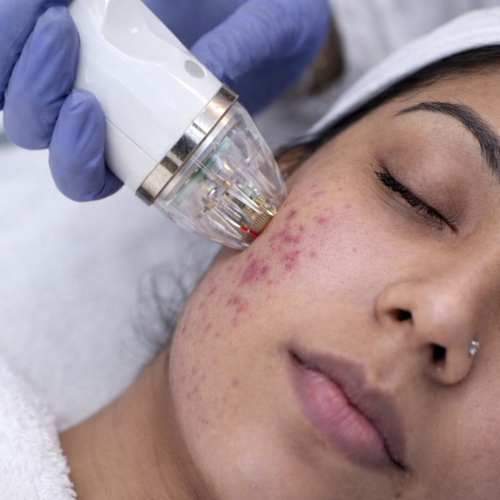
These are increasingly being used to treat acne scars. Intense Pulse Light (IPL) acts by heating the dermis and stimulating neocollagenosis. It has weak activity and may be helpful in red, hypertrophic scars. Light-Emitting Diode (LED) does not warm but acts by photomodulation. It is a safe and painless procedure.

Pigmentation removal

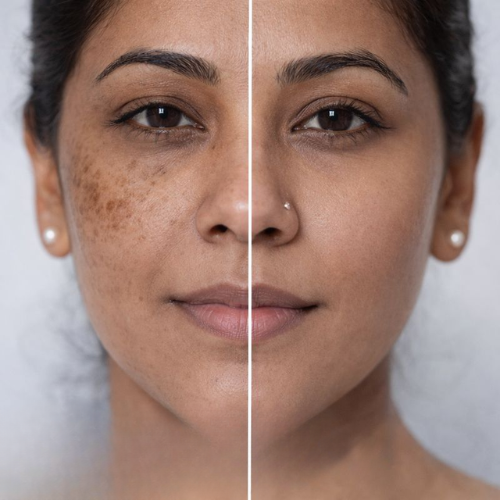
Pigmentation refers to the discoloration of skin. Discoloration occurs due to the presence of melanin, the pigmenting agent responsible for the dark black-brown tones existing in concentrated areas within the skin. Deeper the melanin, the harder it is to clear them. The increase in melanin can be physiological like sun tan or may be due to various other causes like skin allergies, pimples, hormones induced, obesity, genetic tendencies, vitamin deficiency, birth mark or any other internal illness.

Skin Lightening Peels

Composed of various fruit acids, lightening peels gently exfoliate dead pigmented cells on your skin’s surface, thereby dramatically reducing discoloration while also brightening your overall complexion. Some of these peels consist of anti-aging properties as they significantly reduce dyschromias. (hyper-pigmentation)

Pigmentation Laser

For those who suffer from hyperpigmentation, the Q-switched Nd:YAG laser treatment does a thorough job of eradicating dark and discoloured skin in affected areas with artistic precision. This laser treatment is also used globally in the removal of undesirable permanent tattoos. The Q-switched laser treatment makes your wish of waking up to radiant, rejuvenated and pigment-free skin a reality!

Skin tightening

Little or no recovery time and very natural-looking results top the list of reasons why a non-invasive approach to skin tightening and rejuvenation are in such high demand.

Radio Frequency Treatment

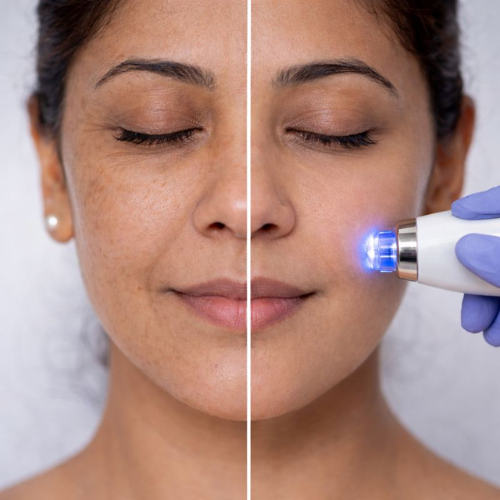
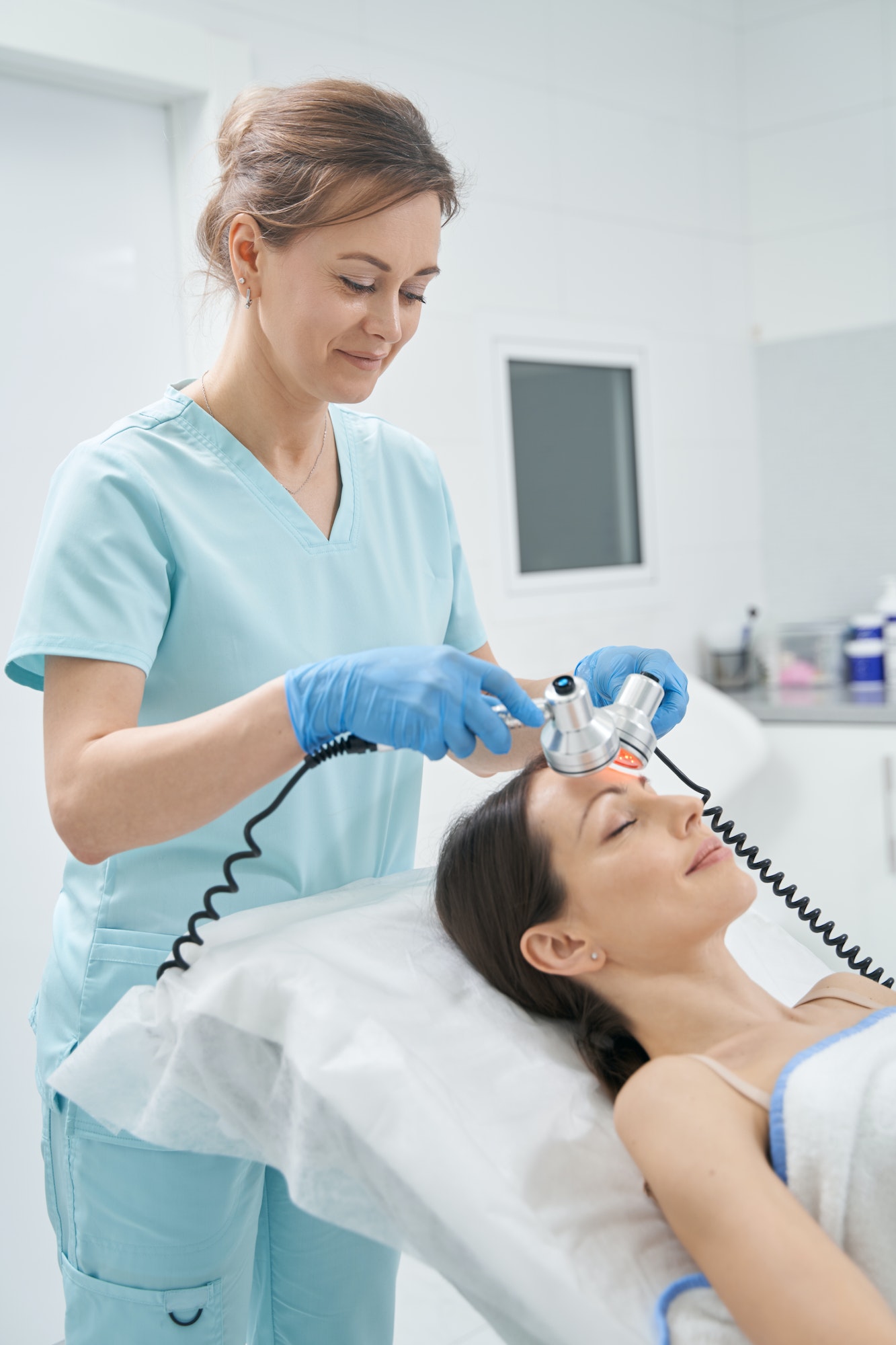
Restore natural skin elasticity with Radio frequency Therapy, ideal for the achievement of firmer skin. Radiofrequency waves penetrate deep under the skin’s surface to stimulate the growth of natural collagen. Increased levels of collagen production provide skin with necessary strength and tightness for visibly youthful looking skin.

Warts and skin tags

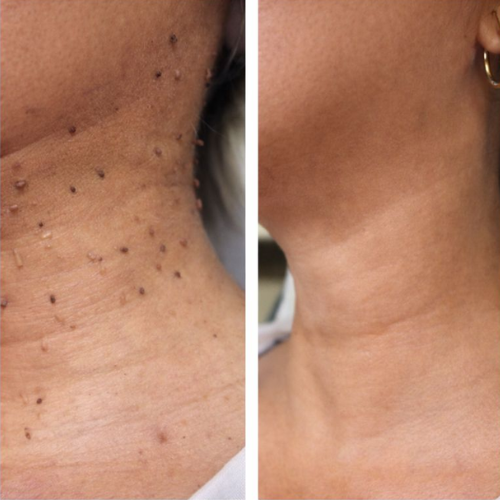
Skin tags painless skin growths often seen in between the face and neck region. However, there exists much difference between the two skin ailments. Warts are caused by the Human Papilloma Virus whereas; skin tags are genetically induced conditions. Obesity increases skin tags. As warts are infectious, they tend to spread within an individual or can be contracted from them. Warts typically disappear on their own with time, but it may take years. At any point of time in either conditions, recurrences may occur.

Radiofrequency Ablation of Warts & Skin Tags

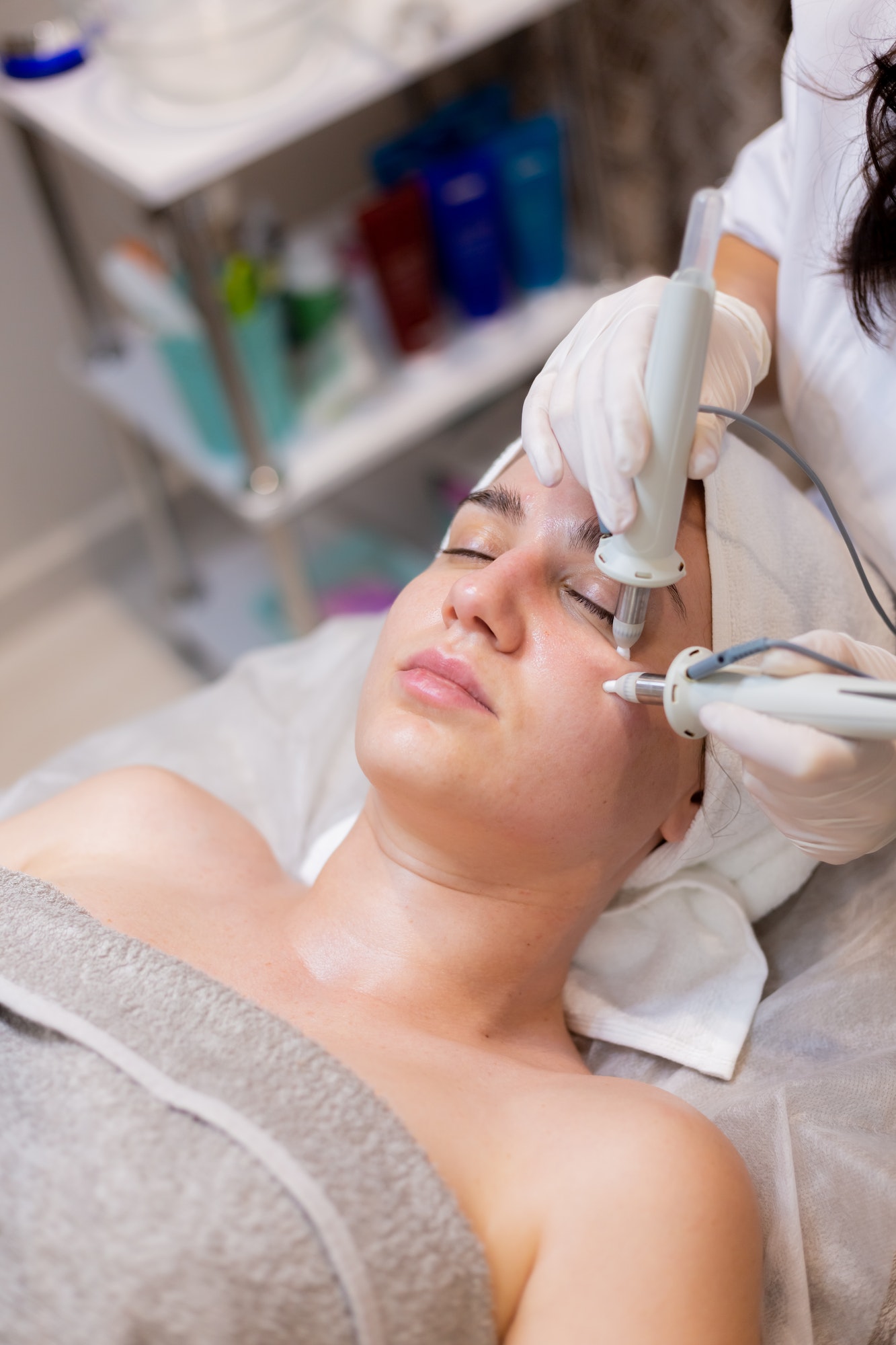
Radio Surgery (Radiofrequency or Radiowave Surgery) is used to remove moles, warts and skin tags. It involves the passage of radio waves into the skin to perform the removal or reshaping of a lesion. Warts and skin tags can now be removed without having to undergo surgical procedures. Radiofrequency therapy effectively destroys tissues that make up abnormal elevations on the skin’s surface without affecting its surrounding areas.

Vitiligo

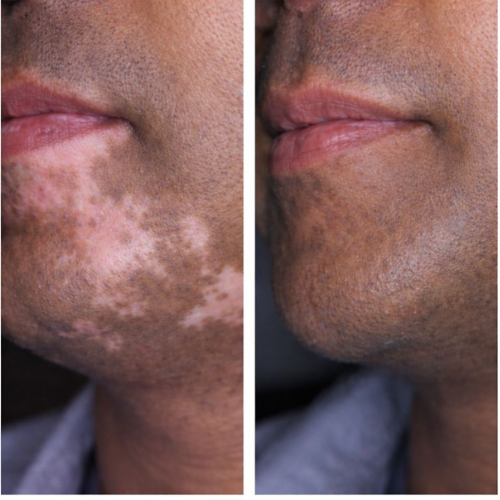
Vitiligo which is also referred to as Leucoderma consists of white patches involving any part of the body including the hair, lips and genitalia. Exact cause for this is unknown, but it increases during periods of stress. Treatment of vitiligo is aimed at stabilizing the progression first and then improvising the color. Former is done with medications and latter with medications as well as procedures like phototherapy, skin grafting, dermabrasion and laser.

Psoriasis

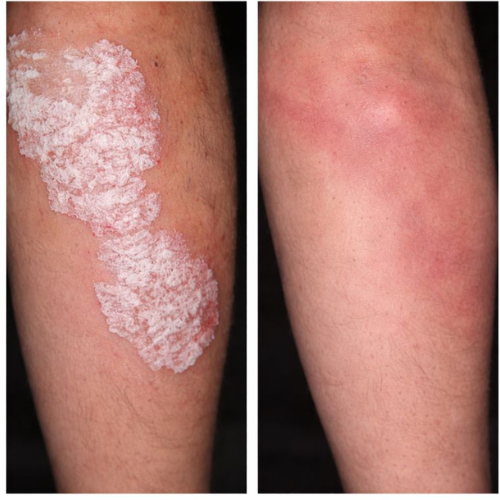
Psoriasis is a dry scaly condition of skin which is often associated with itching. They may also involve palms, soles, genitalia, nails and joints. They adversely affect the quality of life due to the rash, scaling and itching. Dryness aggravates scaling and hence this disease tends to increase in winter. As the skin goes dry in psoriasis, keeping the skin soft by regular use of abundant moisturizers is the key stone in its management. Treatment modalities include medications both internal as well as the topical applications and phototherapy.

PRP

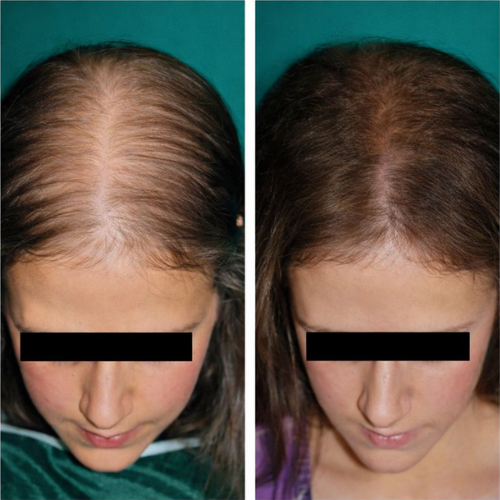
This therapy involves delivery of platelet rich plasma in to the scalp which stimulates new hair growth and strengthens even the weakest of hair types. PRP utilizes your body’s own regeneration ability allowing for natural regeneration and rejuvenation of healthy hair. The therapy also radically improves the density of hair on your scalp and works at restoring a receding hairline giving you a youthful look.

Stem cell therapy

This treatment activates the stem cells at the very roots of your hair to bring about radical hair regeneration. Stem cells also revives the genes involved in hair growth by dermaroller. The treatment dramatically helps improve hair thickness while also improving the quality of your hair!

Mesotherapy

This unique treatment involves a direct delivery of active ingredients into your scalp for better penetration of medicines giving you more than just satisfactory results. This therapy also helps steadily improve blood circulation around the hair root to provide better nourishment, thus enhancing healthy hair growth.

Skin Growths Removal

Skin growth removal is a safe, minimally invasive procedure used to remove unwanted benign skin growths such as skin tags, warts, moles, and other superficial lesions. It helps improve skin texture and appearance, restoring smooth and healthy-looking skin. The treatment is quick, precise, and performed with minimal discomfort and downtime, making it a commonly preferred aesthetic and medical procedure today.

How does Skin Growth Removal work?

Advanced techniques like laser or radiofrequency precisely remove the growth without damaging surrounding skin, ensuring quick healing and minimal scarring.

When to Consider Skin Growths Removal?

If skin growths affect your appearance or confidence
• If they cause irritation, pain, or repeated friction
• If growths bleed, recur, or get infected
• If there is pigmentation or discomfort due to chronic rubbing

Tattoo removal:

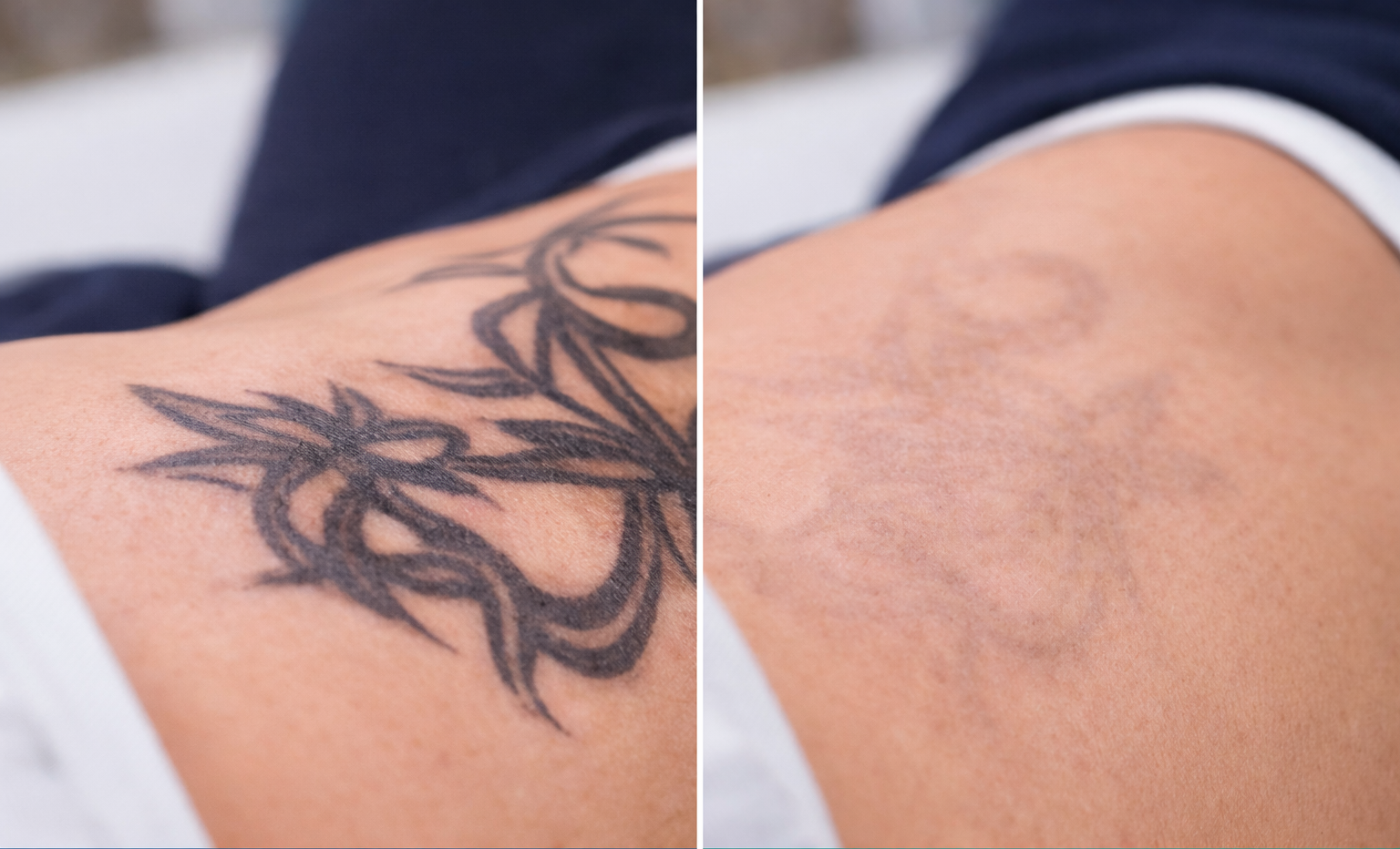
A large number of youngsters and young at heart have body art or tattoos on their body. A lot of them do want to remove the permanent tattoo after sometime. Laser tattoo removal is the non invasive way of removing tattoos and other forms of body ink.  Q switched NdYAG laser is the most commonly used laser for the removal of tattoos. Professional tattoos require 6-10 sessions, whereas amateur ones need 4-5 sessions, all spaced at an interval of 6-8 weeks. The type and amount of ink used, and the depth of the ink in the skin – all these factors decide how many sessions of treatments would be required. Generally, dark (black and blue) and red inks resolve the best.

Nail surgeries:

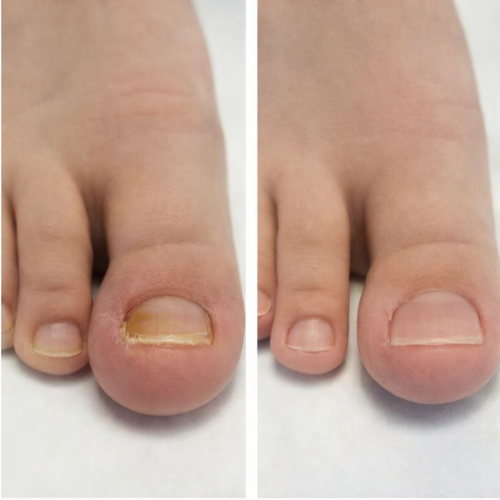
Nail surgery encompasses surgical treatment for purposes varying from the mending of nail deformities like – ingrown toe nail; nail fungus infection to the cosmetic needs of an individual. The surgery may involve the cutting of only a part of the nail or sometimes the complete nail is removed.